I stood with a client named Lea close to a calm gelding called Jasper, both of them seeing the wind press the yard like a slow wave. Lea operated in a high-stakes customer care function and got here that day tight across the jaw, tired by a week of accelerations. Jasper flicked an ear, adjusted his breathing, and sat tight. We asked Lea to lead him, no halter, just visibility. The first attempt looked like a contest of strength with vacant air. Then we practiced stopping, softening her shoulders, and breathing out in a manner she might really feel in her ribs. Jasper lifted his head and strolled with her, shoulder to shoulder, a change you might gauge in six quiet steps.
I have seen variations of that minute numerous times. Equines meet us where words can not. They are prey pets with polished nerves and clean limits. They check out objective, mirror nerves states, and give immediate, sincere feedback without a murmur of judgment. That is the experiential edge, the area where equine-assisted services transform insight into repeatable habits, on the spot.
Why horses, not a meeting room
Plenty of finding out takes place indoors, but the sector provides problems you can not duplicate in a chair. A horse brings dimension, sensitivity, and social awareness. Ask a thousand-pound animal to follow you across a space with absolutely no spoken description and you will certainly learn how you lead. Try to get a distracted mare to navigate cones and you will certainly practice staying connected while managing complexity. These are not allegories so much as parallel experiences that illuminate the same networks you make use of in the house or work.
Horses aid due to the fact that their survival depends upon reading what is genuine. They see whether your feet associate your intent, whether your breath claims go or your shoulders claim quit. When your internal state and external activity suit, the equine tends to loosen up and engage. When they do not, the equine thinks twice or drifts. That tidy biofeedback loophole, duplicated in tiny jobs, comes to be an effective device for stress and anxiety support with horses, for leadership understanding, and for reconstructing trust with your own body.
There is additionally a physiological layer. Time about managed steeds often sustains downshifting from understanding stimulation. People define a steadier heart rate, much easier tummy breathing, and a quieter mind after ten to fifteen mins of brushing or groundwork at an unwinded rate. This does not replace clinical therapy, yet for many, it becomes a dependable method, like a living variation of a breathing application that reacts to you.
What falls under equine-assisted services
The language right here can be confusing. Generally, equine-assisted services include a household of strategies that involve equines to sustain knowing, development, and occasionally scientific treatment. Within that family, you will hear a number of terms utilized with treatment:
- Therapeutic horsemanship usually describes placed or unmounted lessons adapted for people with specials needs or special demands. It focuses on skill structure and involvement, frequently supported by accredited trainers and volunteers. Equine-assisted tasks include groundwork like grooming, leading, and barrier courses, placed workouts for balance and sychronisation, and structured tasks developed for cognitive, social, or psychological objectives. Numerous programs for young people and grownups fit here. Equine-assisted training, also called equine-facilitated training, beings in the performance and individual development room. It partners an experienced coach with an equine professional and a herd to concentrate on goals like interaction, leadership, and decision-making. There is no psychiatric therapy implied. Equine-facilitated health blends training and psychological health literacy with somatic and nature-based methods. It commonly includes trauma-sensitive pacing, grounding, and representation, with clear boundaries regarding scope.
The field likewise consists of credentialed psychological health and wellness service providers who incorporate equines right into psychiatric therapy. If you need therapy for injury, mood disorders, or severe anxiety, try to find certified clinicians with specialized training that exercise within their board criteria and partner with equine specialists. Mentoring can be encouraging for lots of issues, but it is not a replacement for therapy.
A day in the arena, without the mystery
People ask what a session resembles. It typically begins quietly. We gather at the rail, evaluation objectives, and do a brief orientation to steed body movement: where the shoulder is best, just how ears point focus, what licking and eating can suggest. The herd chooses whether to strategy. We begin with borders and choice, always.
Then we relocate right into tasks. That might be building a course of ground poles to represent a job timeline, developing a basic pattern for the steed to browse, or exercising leading with a soft feeling. The knowing lands in the debrief. What did you observe when the horse wandered away at the 2nd post? What altered in your position when your teammate stepped in?
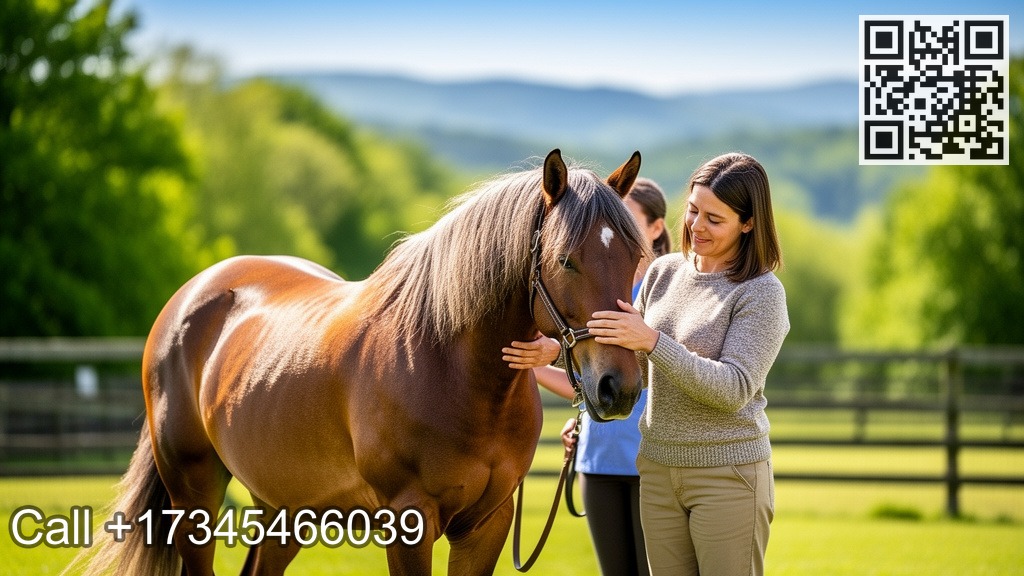
Here is a straightforward arc for equine-assisted activities that concentrate on learning:
- A quick check-in and objective setup, connected to one real-life habits you wish to practice. Grounding and alignment to the herd, with a security review. A task with clear sides, such as leading with a pattern or pausing at markers. A debrief that connects monitorings to following actions at home or work.
Those 4 components can fit inside an hour. Groups can extend to two hours with breaks. Installed work may lengthen the prep and cool off. The point is not to thrill. Equines will certainly show you, in their tempo, how much is possible in the time you have.
How adjustment holds in the body
When individuals talk about somatic healing with horses, they indicate adjustment that starts in sensation and spreads to assumed and habits. Think about 3 devices that I see regularly:
First, synchronization. When a human changes to slower, steadier breathing, equines typically adhere to with softer eyes and a drop in head carriage. The loop then reinforces the human's guideline. This to and fro can be measured indirectly with heart rate irregularity in research settings, though consumer metrics vary in accuracy. The really felt experience, nevertheless, is unmistakable to most participants.
Second, harmony. Steeds react to coherent signals. If your feet aim one method while your breast squares an additional, the horse might pause. If your hand asks ahead while your hips pull back, you get muddy results. Exercising tidy, straightened activity trains clearness in a way words cannot.
Third, border repair service. Several people walk around either fell down or stiff, especially under tension. Equines design healthy, responsive boundaries. They step apart without temper and return without clinginess. Standing near that energy can reset a person's sense of personal room and timing. The trick is to go slowly, allow the body discover, and after that name it.
Anxiety, attention, and sensory needs
Programs typically advertise anxiousness support with horses, ADHD equine learning support, and an autism equine finding out program. These phrases matter to family members scanning for assistance. Below is how I have seen them operate in practice, and where limitations reveal up.
For stress and anxiety, the arena supplies a setting with sufficient novelty to activate the system and adequate assistance to practice downshifting. A 15 years of age that clinches throughout examinations might establish a task with three stops and 3 restarts while leading a tiny mare. We script the pauses, count breaths out loud, and name the factor where the steed loosens up. After 3 sessions, the teen can duplicate the pattern in the institution corridor before a test. That is actual, useful transfer. If panic attacks are frequent or serious, or if there is unattended trauma, companion with an accredited therapist that integrates equine work.
For ADHD, equine-assisted activities provide immediate feedback without embarassment. A common series makes use of three cones as aesthetic anchors, with a focus task like asking the horse to stop at each cone. The customer finds out to break down a goal, display focus in actual time, and recoup after a miss. We maintain directions basic, we add motion breaks, and we celebrate reliable restarts. Drug choices are clinical, not component of mentoring, yet numerous families report much better carryover when the barn comes to be a laboratory for exec function.
For sensory challenges, steeds offer rich, controlled input. Brushing can be an alternative treatment for sensory challenges since it pairs responsive input with rhythm and predictability. The trick is option and pacing. Some children dislike the steel audio of a hoof pick. Some yearn for deep pressure and like brushing the shoulder before the flank. Ear protectors are fine. Stimming is fine. The equine's convenience establishes the limit, and a trained equine professional remains close.
An autism equine discovering program must be built on consent and co-regulation. I like to begin on the non-preferred side of the fence, just seeing. Participants typically require time to map the space and decode the rules. Once within, we utilize clear pens for begin and quit, and we exercise exits as component of the plan. Mounted job, if made use of, comes later on, with a quiet equine and a client sidewalker team.
What regarding group building with horses
I have actually taken executive groups into the sector with mixed sensations and great end results. The shiny pledge that a half day with a herd will deal with depend on is impractical. What we can do is press truthful feedback into a brave, neutral space.
A preferred workout for group building with horses uses an L-shaped obstacle. The group must guide a steed with the turn without any halter and no chatting for the preliminary. Patterns arise fast. A single person groups. One hangs back. One attempts to control by thought. We pause, call the pattern, let everyone attempt a brand-new function, and after that add strategic communication. The horse does not care about titles, only comprehensibility and quality. The group then creates 3 brief habits they will bring right into their next task sprint. At the three month mark, we look at those behaviors, not unclear impressions.
Pricing for company groups varies extensively. In my region, a half day with 2 facilitators and 2 to 3 horses runs from 1,800 to 4,000 dollars, depending on team dimension, insurance coverage requirements, and center expenses. That fee consists of horse care, staffing, safety equipment, and arrangement time. It is not cheap, nor must it be. You are borrowing the time and interest of living animals and skilled specialists in a physical space with risks.
How to pick a provider
Good operate in this field relies on training, principles, and horse welfare. Ask concerns. Search for certifications that match the solution you desire. PATH Intl., CHA, and similar organizations certify teachers for restorative horsemanship. EAGALA, Arenas for Change, and other models train teams for equine-assisted services with a mental wellness and equine specialist collaborating. For equine-assisted mentoring, seek trainers with acknowledged qualifications, as an example via ICF or EMCC, plus particular equine assistance training. None of these letters ensure chemistry, however they tell you someone purchased standards.
Here is a short checklist to direct your selection:
- Clarity of scope: Do they clearly mention whether they use coaching, wellness, tasks, or psychiatric therapy, and technique within that scope. Team and training: Do sessions include both a human advancement specialist and an equine specialist with documented training. Safety and approval: Do they assess security, explain steed signals, and allow opt-out or monitoring as participation. Horse welfare: Do the equines have selection, rest days, correct fit tack, and an atmosphere suited to their needs. Outcomes and fit: Can they explain how finding out transfers to day-to-day live and offer a means to measure development over time.
Visit the barn when possible. Watch a session with permission. The ambiance ought to be focused however not tense. Horses ought to look interested, not shut down. Facilities do not require to be elegant, but they need to be clean and practical. Portfolios with delighted customers aid, yet your very own nervous system usually offers the very best read. If you feel hurried, overmanaged, or puzzled, ask more questions.
Safety, consent, and edge cases
Working with thousand-pound animals carries risk, and that danger is manageable with skill. Safety helmets for mounted work are nonnegotiable. Closed-toe shoes for every person. No deals with by hand unless the program has explicit methods. Clear limits keep people and horses safe.
Some problems call for extra care. Recent blasts, unrestrained seizures, fragile bones, and serious allergies to dust or dander can make participation risky. Pregnancy with a background of complications normally rules out mounted job and might limit groundwork. If someone has problem with impulse control that might result in striking or grabbing, begin with observation throughout the fence and construct ability slowly. For trauma survivors, stress that is as well quick can backfire, so we maintain control with the customer, name choices, and allow exits without drama.
Edge instances additionally consist of the driven high entertainer that wants to "win" with the steed. That power can swamp the arena. I often get rid of the finish line totally. We exercise a stroll, a stop, and a breath at each edge. We determine quality, not speed up. The knowing is to shift from force to timing. That is tough for numerous, and deeply worth it.
The horses need to win too
Ethical programs facility steed welfare as long as human results. Not every steed is fit to this job, and that is great. The best partners show curiosity, tolerance for novelty, https://privatebin.net/?654d7e8b5b198ad1#BbiSpdZfUWjQ6Nnavhc2jxrH7FMiuVkvadUio7typ2cC sound feet, and a body that enjoys light to moderate task. They likewise need significant downtime. Rotations matter. So do social demands. Steeds ought to reside in herds or suitable sets, have yield that enables activity, and diet plans that match their metabolism. If you see pinned ears, limited lips, or a steed that flinches at touch, ask what the group notices and exactly how they react. Behavior is information, and great stewards listen.
We additionally style jobs that value the horse's nature. Long, repeated sessions where people exercise grooming the same spot of neck twenty times will certainly sour even the kindest gelding. We differ activities, adapt to weather and footing, and use tack that fits. We retire horses when they tell us the work is no more for them and honor their service with easy work or field time.
Measuring what matters
Change feels great in the field, however life asks for proof. We track results that suggest something outside the barn. For an anxious university student, that might be the number of avoided courses dropping from four per month to one. For a manager in equine-assisted coaching, it could be the frequency of cut off staff member reducing on meeting records. For a kid in therapeutic horsemanship, we might gauge balance duration at the halt and afterwards note enhancements in play area play.
I like repeatable micro-assessments. A 2 minute breathing check at the start and end of each session, self-rated tranquility on a ten point scale, and a note on physical signs like shoulder elevation or foot fidgeting. With youngsters, we frequently make use of basic visuals, deals with or shade cards. After 6 to eight sessions, we take a look at patterns. Some individuals reveal quick gains and then plateau. Others develop gradually and afterwards leap. In any case, we determine following steps based on data and goals, not the novelty of being near a horse.
From the sector to everyday life
Transfer does not take place by mishap. We construct bridges. After a session where someone finds out to stop briefly prior to a turn, we list where that same micro-pause matters, maybe prior to responding to an email or stepping into a jampacked hallway. We exercise it instantly, walking from the field to the parking lot. We likewise recruit the detects. What did the natural leather scent like when you lastly got the quit. What did your hands really feel. These supports help the mind recall the state when you need it.
Homework can be little. Stand with both feet level while cleaning your teeth and notice your breath. Take two stomach breaths before opening a conference. Name one horse habits you saw this week that you intend to replicate, possibly the method the mare asked for area without drama. These links make experiential discovering with steeds stick where it matters.
Budget, logistics, and honest expectations
Programs vary in cost. Private equine-facilitated wellness or mentoring sessions often run 120 to 250 dollars per hour in several regions, higher in big cities. Restorative horsemanship lessons may range from 60 to 120 dollars relying on assistance demands and local costs. Scholarships exist, commonly with nonprofits and benefactors. Insurance protection is uncommon for coaching, often readily available for psychiatric therapy with licensed carriers. Ask early, and consider travel time. Barns rest where land allows.
Expect growth, not magic. A solitary session can stimulate insight, yet alter usually unfolds over 6 to twelve calls, regular or biweekly. Short intensives can help particular skills. A 2 day resort may leap start a leadership shift, adhered to by online mentoring and two even more field days at 30 and 90 days. The throughline matters more than the calendar.
A basic workout you can try safely
If you are curious and desire a preference without tipping inside a paddock, start with observation. Stand outside a fencing, at the very least a couple of feet back. Plant your feet, unlock your knees, and observe your breath. See the herd for ten mins. See exactly how they straighten with the wind, how they space themselves, just how they rejoin after a short distance. Match your breath to the slowest equine for three cycles, after that open your vision to include the ground at your feet and the perspective. Many people find this silent practice discloses their very own rate, and it sets you back nothing. If a barn welcomes visitors throughout public hours, ask permission and use a thanks to the staff. Otherwise, a field of cows can instruct comparable lessons about space, interest, and timing.
Where I have actually seen the biggest returns
Three patterns show up across years of job. First, people who treat the arena as a laboratory, not an efficiency stage, development much faster. They want to look unpleasant, to attempt again, to tune toward feel. Second, groups that incorporate discovering into their routines, brief agendas, specific stops briefly, and shared language, maintain gains active long after the dirt settles. Third, households who support technique in your home, maybe by signing up with a grooming session or modeling calm throughout shifts, create a globe where change does not end at the gate.
Horses provide us exercise in being clear, kind, and based. They do it with large bodies and accurate signals that push us to pay attention. Whether you are looking for equine-assisted training for leadership, healing horsemanship for a kid, or equine-facilitated health for tension and somatic wellness, the course runs through visibility. Set one honest objective, choose a capable group, and allow the herd fulfill you halfway. The remainder is breath, timing, and a couple of steps you can pass over loud.